RESEARCH

Friday, September 16th, 2011

Media Perception of Women in the Olympics (1932 and 2008)

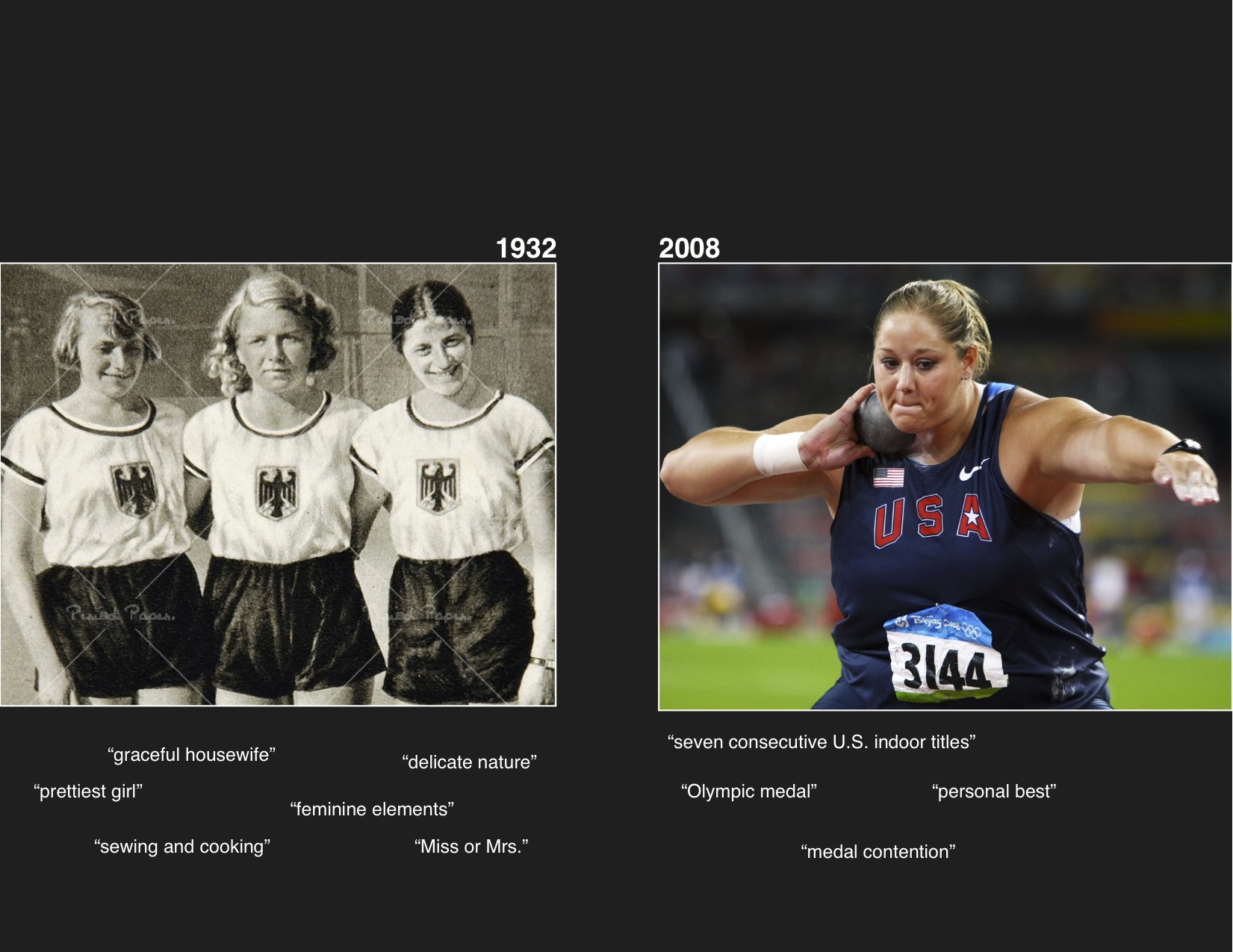
The largely conservative news outlets during the 1932 Olympics in Las Angeles tended to have bias against women as serious athletes. Their role as wives and mothers rather then athletes were more significant. News of women’s scores, times, and wins were less distributed then the men’s. When talking about the athletes, women’s names were preceded by Miss or Mrs. suggesting that their marital status was more important then their individual accomplishments. This is contrasted with news coverage of the 2008 Olympic games. Generally speaking, women are treated equally to men; Olympic attention is given to those that preform well.

Here, the conception of women as housewives and delicate is an apparatus of the era’s news coverage. It seems to be a idealistic and nostalgic view for pre-1920’s roles of women. The apparatus is thus less concerned with news coverage and reporting and more focused on a view of society.

In the case of the difference in coverage between 1932 and 2008, the change in social norms (or perhaps more accurately, the perception of social norms) does not seem to reflect physical changes in people (particularly women) but rather societal changes.

So, how did these changes, which are so evident (see image), come about?

Friday, September 16th, 2011

During and After Pictures from the 1936 Berlin Olympics

The link is to a site that has many images of the infrastructure built for the 1936 Berlin Olympics.  The images show the conditions of the structures as they existed for the games and as they exist now.   The stadium has gone through a few phases of redevelopment, but most of the buildings only exist for the guided tour.  The bell from the original bell tower is now displayed in the Maifield and the Swastika was removed from the tower during the stadium’s denazification that occurred during its British occupation.  Other links from the main page show the changes in other cities before and after the Nazi party took power.  After WWI, Germany wanted to have a renaissance to reunite their country and looked to the Greeks for inspiration causing a lot of the buildings to have an ancient Greek influence.


Friday, September 16th, 2011

Happy Magic Water Park

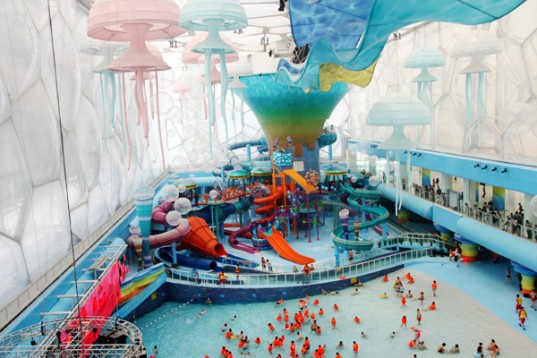
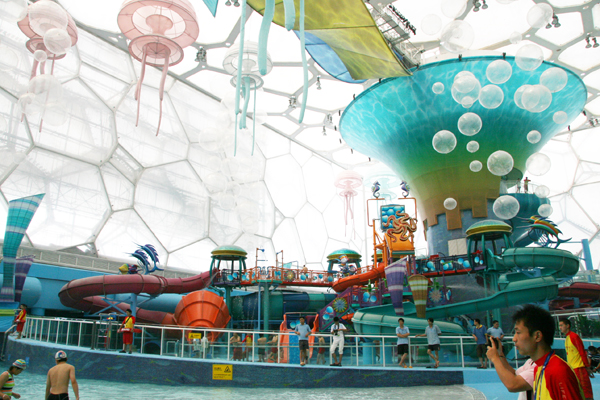
As opposed to cities like Berlin and Sarajevo in previous posts, Beijing seems to have lost no momentum following their Olympic games in 2008.  Instead of letting their facilities lay to waste, several have been repurposed – and not always in conventional ways.  For example, the Water Cube, designed by PTW Architects with Arup, has now been transformed into the “Happy Magic Water Park,” which opened on August 8th 2011.  Now the cube is generating great revenue for the city, coming in at the number 2 tourist destination after the Great Wall.  Impressive.

According to the renovations led by Forrec (Toronto-based design firm), the ETFE material for the facade continues to play an important role in daylighting; illuminating the interior with diffuse light during the day while radiating back out to the city at night.


Read more at Inhabitat: Happy Magic Water Park


Friday, September 16th, 2011

From Olympic Grounds to Battlefield

After the games move out of the respective cities, their Olympic Villages get transformed into parks, residential complexes, or become abandoned entirely.  Sarajevo stands out, however, primarily due to the political and social strife rampant in the country, especially the Bosnian civil war.  Their Olympic grounds have turned into battlefields, and their Olympic village now has become the city’s deadliest killing ground due to its proximity to the airport.  The luge runs are a Serb staging area where artillery and sniper fire rain down upon the city.

Branko Mikulic, president of the organizing committee for the 1984 Games, admits: “When I took the leading role for the Olympics, I thought it would help Sarajevo develop its beauty and grace, and bring it into the 21st century. Now we know that will not happen. Sarajevo is a ruin, a concentration camp. And the world is not even acting to help. I cannot believe it—any of it.”


Friday, September 16th, 2011

geo-blocking

Beijing Olympics Broadcasting Report

Lots of good stats on viewership and the media methods at the Beijing Olympics.

Most interesting is the fact that YouTube was used to broadcast to countries who didn’t have a major service provider.  People from other countries were blocked from those channels.  This could mean in the future that information could be tied to specific locations in space.


Friday, September 16th, 2011

Technology Potentials

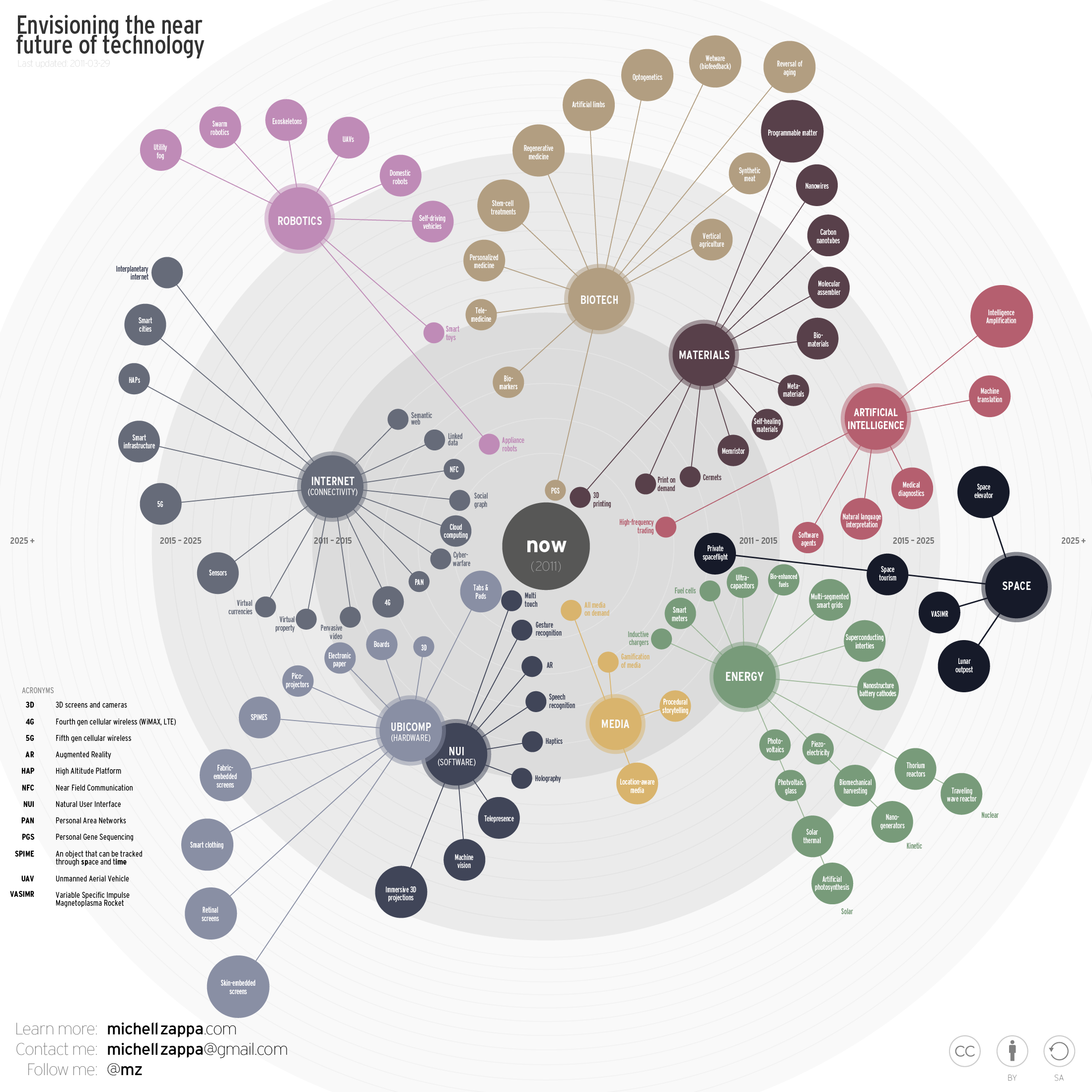
Infographic which may be interesting when thinking about a timeline for the projects:


Friday, September 16th, 2011

Rio de Janeiro – new methods of transportation in anticipation of the Olympic Games


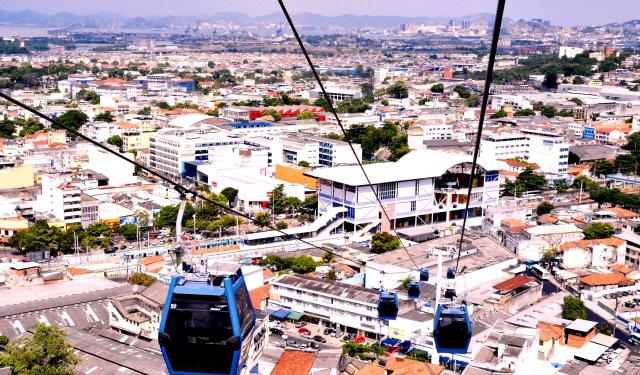
http://sustainablecities.dk/en/city-projects/cases/rio-de-janeiro-the-gondola-opens-up-the-favela


In terms of public transportation, Rio de Janeiro is facing the same problems as many other Latin-American metropolises. The city is served by a comprehensive public transit system, including a modern metro, suburban trains and a large bus fleet. But transportation services are sometimes unable to keep pace with rampant urbanization, especially when it comes to the favelas. These informal settlements are constructed on steep areas where conventional modes of public transportation cannot be considered. As 20% of Rio’s population is living in a favela, a large part of the population has to do without any public transportation.


Friday, September 16th, 2011

“What are the three main qualities that characterize a sustainable city?”

Joan Busquets Interview

Joan Busquets is a Professor in Practice of Urban Planning and Design at Harvard and the former Head of planning in Barcelona

This is another way you can view the video if the former does not work –

http://sustainablecities.dk/en/actions/interviews/joan-busquets-geography-history-and-diversity-0


Friday, September 16th, 2011

Mapping Olympic sites


This is a great website that shows you were many of the summer Olympic sites are and has images that relate to that site in many cases.  Look to the left hand margin for the different Olympic host cities.


http://www.stadiumatlas.com/


Friday, September 16th, 2011

Shanghai EXPO Demolition

Wujang Road's Street Market Demolition February 2010

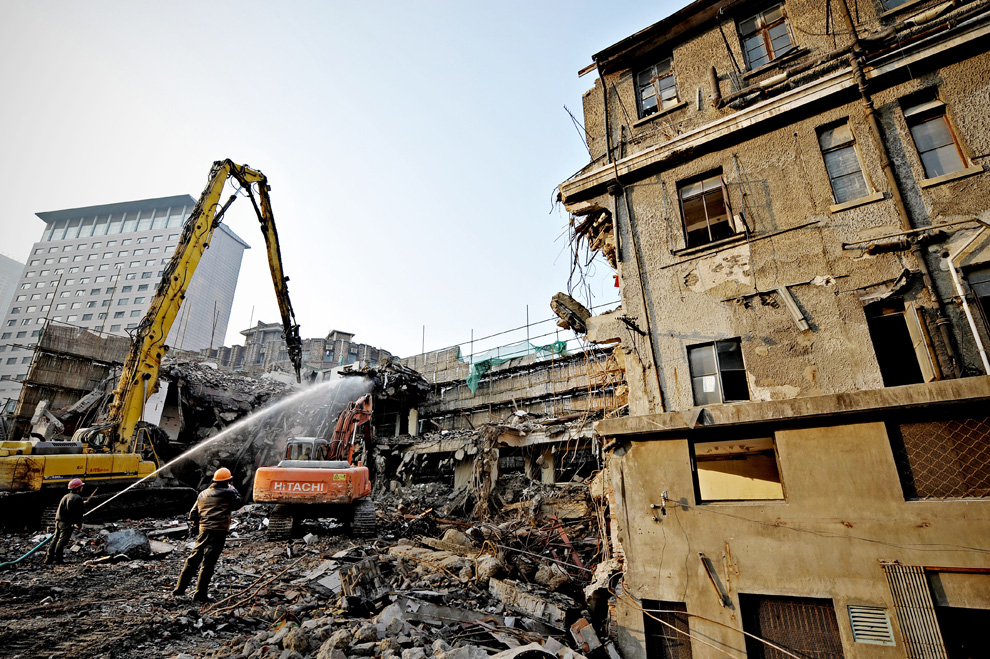
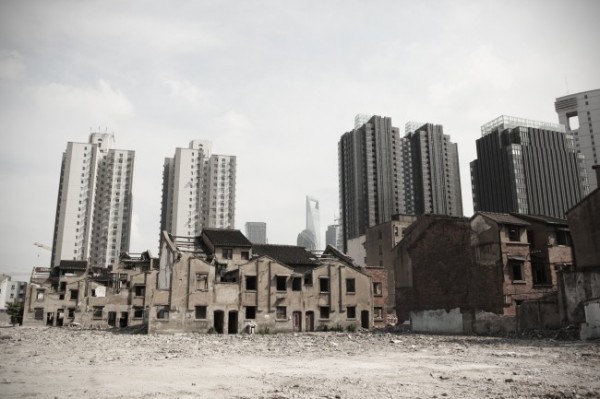
For the 2010 World Expo in Shanghai, the chosen site was located in the historic Bund and largely residential area.  Shanghai has been replacing the old for the new for the past two decades or so, but this project created a surge of demolition and has synthetically altered the fabric in one fell swoop.  This also created an influx of tens of thousands of migrant workers in the city, while displacing up to one million residents.  These demolitions were supposedly conducted properly by following procedure, but the immense resistance of the residents [including two potentially linked acts of self-immolation] arose skepticism as to whether or not the land seizures were corrupt.

  • Where have the displaced residents and migrant workers ended up?
  •  How has the site evolved since the pavilions have been removed?

Linked here is a blog of first-hand accounts of a non-native resident on the construction atmosphere in Shanghai.  Specifically important is the category “Building the China Dream.”

Blog: SHANGHAI STREET STORIES: Building the China Dream

The common trend in Shanghai: Old is out, New is in


All content © Copyright 2026 by CLOUD Disassembly RPI.
Subscribe to RSS Feed – Posts or just Comments

Powered by WordPress
Designed by Graph Paper Press